

If you drive a Tesla, especially a Model 3 or Model Y, the question isn’t just “Do I need a radar detector?”—it’s:
👉 “Am I driving a car that benefits more than average from having one?”
For many Tesla owners, the answer is yes.
This guide explains why a radar detector is a smart upgrade, how it fits into the Tesla ecosystem, and when it becomes a high-value driving tool rather than an optional gadget.
What Is a Radar Detector (and What It Actually Does)
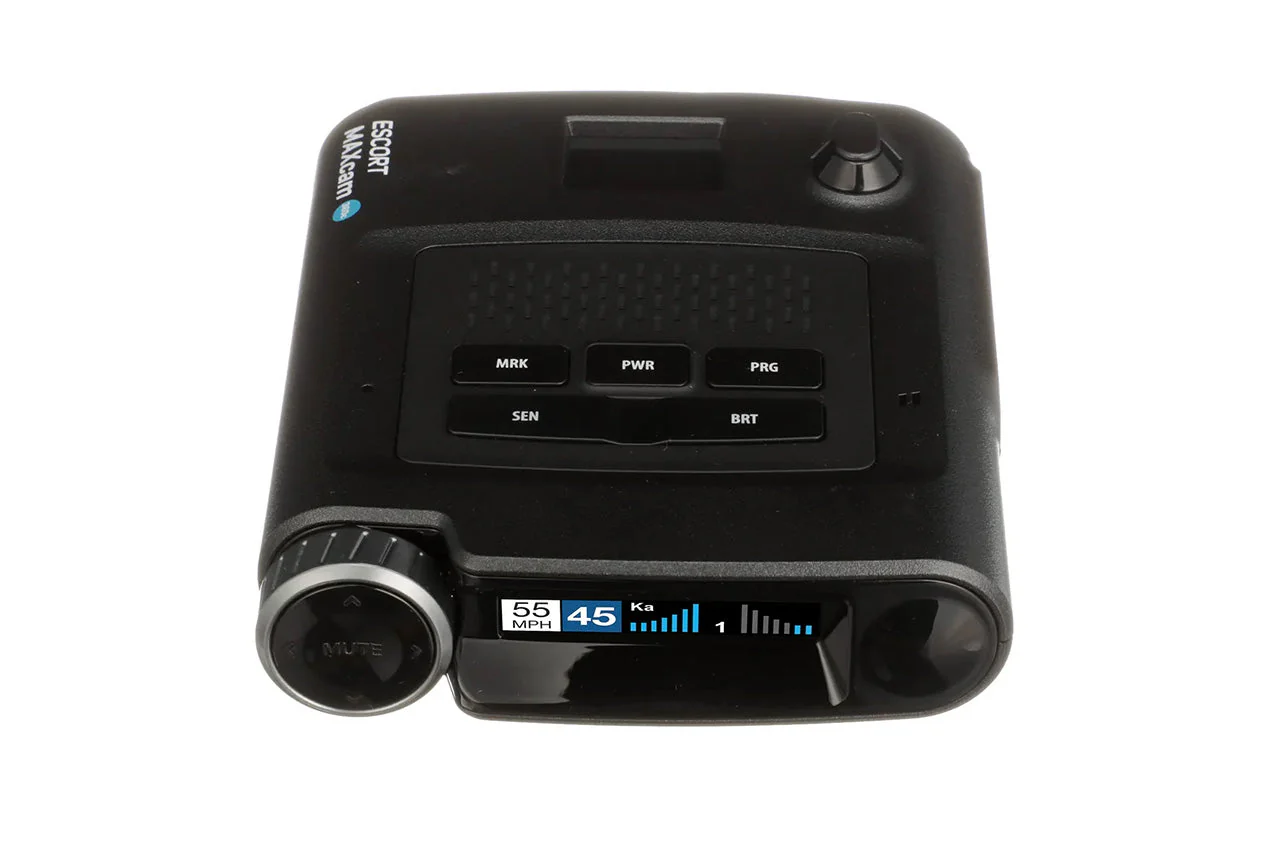
A radar detector is an in-car device that scans for police speed enforcement signals and alerts you in real time. Modern units from brands like Escort Radar and Uniden can detect:
- X / K / Ka-band radar (the most common police speed measurement methods)
- Instant-on radar bursts (short, targeted speed checks)
- Some laser (LIDAR) signals (with limitations)
👉 The key advantage: proactive awareness—you’re alerted before you reach the enforcement zone.
Why Tesla Drivers Benefit More Than Most
1) Instant Torque = Unintentional Speeding
Tesla vehicles deliver instant acceleration with no gear shifts, which creates a unique effect:
👉 Speed builds silently and quickly—often without noticing.
Common scenarios:
- Merging onto highways
- Passing slower vehicles
- Driving with Autopilot or cruise control
- Long, empty highway stretches
Even attentive drivers can drift above the limit without realizing it.
2) Ultra-Quiet Cabin Reduces Speed Awareness
Compared to ICE vehicles, Teslas are:
- Quieter
- Smoother
- Less vibration-heavy
👉 Fewer sensory cues = lower perceived speed
A radar detector restores situational awareness that your senses don’t always provide.
3) Autopilot Doesn’t Replace Enforcement Awareness
While Tesla offers:
- Speed limit display
- Navigation-based alerts
- Driver assistance features
It does not detect active speed enforcement.
👉 There’s a gap:
Tesla tells you the rules—but not when they’re being enforced.
Radar Detector vs Navigation Apps (Why Both Matter)
Many drivers rely on apps like:
- Waze
- Google Maps
These are useful—but not sufficient on their own.
Limitations of Apps
- Depend on user reports (not real-time detection)
- Can miss mobile patrol units
- Updates may be delayed or incomplete
- Coverage varies by region
What a Radar Detector Adds
👉 Live signal detection
- Works without internet
- Identifies active radar in real time
- Detects patrol cars using radar, not just fixed cameras
Best Practice (What Experienced Drivers Do)
👉 Use both together:
- Navigation app → known hotspots & community alerts
- Radar detector → real-time enforcement detection
Real-World Benefits (Beyond Avoiding Tickets)
✔ 1. Early Warning = Safer Driving Behavior
Instead of braking suddenly when you see a patrol car, you:
- Gradually adjust speed
- Maintain smoother control
✔ 2. Reduced Driving Stress
You don’t need to constantly scan:
- Overpasses
- Hidden shoulders
- Median traps
👉 The system watches for you.
✔ 3. Better for Long-Distance Driving
On highways:
- Enforcement is unpredictable
- Speed limits change frequently
- Patrol units are often hidden
👉 This is where radar detectors deliver maximum value.
✔ 4. Cost Efficiency Over Time
Typical high-end detector: $300–$700+
👉 One or two avoided tickets can already justify the cost.
Key Limitations (Important to Understand)
⚠️ 1. Laser (LIDAR) Is Hard to Defeat
- Laser is highly targeted
- If you’re detected, it’s often already too late
👉 Radar detectors are strongest against radar, not laser.
⚠️ 2. False Alerts (Lower with Premium Models)
Cheap detectors often trigger alerts from:
- Automatic doors
- Other vehicles’ sensors
👉 High-end models use filtering to reduce this significantly.
⚠️ 3. Legal Considerations
In the U.S.:
- Legal in most states
- Illegal in Virginia and Washington, D.C.
- Restricted for commercial vehicles
👉 Always check local laws before use.
Who Should Definitely Buy a Radar Detector
✔ Strongly Recommended for:
- Frequent highway drivers
- Long-distance commuters
- Tesla Autopilot users
- Performance-oriented drivers
- Drivers in enforcement-heavy regions
✔ Worth Considering if:
- You mix city + highway driving
- You value situational awareness
- You want to reduce ticket risk long-term
Who Might Not Need One
- Strictly city drivers
- Drivers who always stay below limits
- Those who prefer a minimal setup with no extra devices
How It Fits Into a Tesla Setup
Think of your Tesla driving system as a stack:
- Tesla system → vehicle control, navigation, efficiency
- Phone apps → route planning, traffic, crowd alerts
- Radar detector → real-time enforcement awareness
👉 Together, they create a complete driving intelligence system
Final Verdict
👉 For Tesla owners, a radar detector is not just a gadget—it’s a strategic driving tool.
It complements Tesla’s technology by adding something the car doesn’t provide:
👉 Real-time awareness of speed enforcement environments
One-Line Conclusion
👉 Tesla makes you drive faster. A radar detector helps you stay in control.